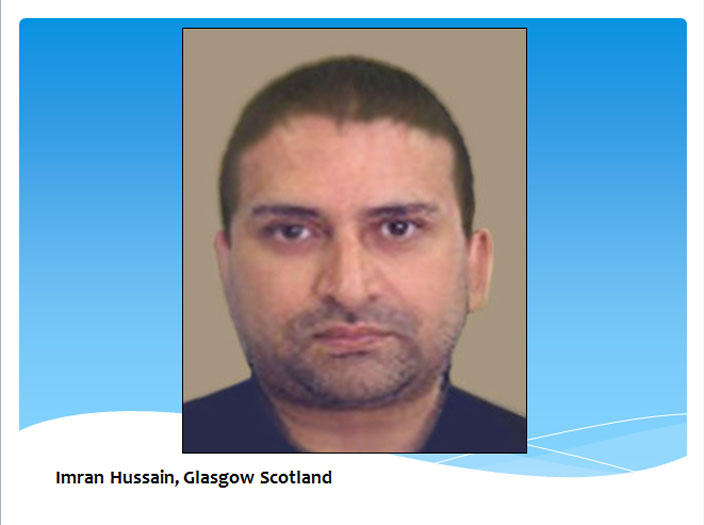
Investigation into Alleged Imran Hussain VAT Fraud
London / Karachi — British tax authorities, including HM Revenue & Customs (HMRC), have long investigated the alleged Imran Hussain VAT fraud. This VAT Carousel fraud scheme reportedly involved Imran Hussain and several associates, according to case-related reports. The operation is believed to have exploited weaknesses in the UK’s VAT refund system. Estimated losses exceed £300 million, making it one of the most significant tax fraud investigations of its time.
Investigators say VAT Carousel fraud schemes rely on rapid cross-border movement of goods. These goods often exist only on paper to generate illegitimate VAT refund claims. In this case, HMRC, working with British and European enforcement agencies, allege that complex trading chains created the appearance of legitimate commerce while enabling repeated VAT recovery claims from the UK Treasury.
HMRC’s 2006 VAT Fraud Crackdown
Reports indicate that enforcement agencies planned a coordinated operation during the mid-2000s to dismantle multiple VAT fraud networks in Europe. Authorities made several arrests, but Hussain and others reportedly avoided immediate detention. Following these developments, Hussain and his associates reportedly left Europe. They first relocated to the United Arab Emirates and later moved to Pakistan, complicating further investigative efforts.
Sources say Imran Hussain is currently believed to reside in the Clifton area of Karachi, one of the city’s most affluent neighborhoods. Reports suggest he has established a settled personal life there, including marriage and family ties. Authorities have not publicly commented on these details, but they continue to appear in reporting related to the case.
HMRC intensified focus on VAT Carousel fraud after high-profile arrests in 2006, which exposed the scale and sophistication of tax fraud networks. Investigators highlighted how fraud rings used shell companies, financial intermediaries, and international banking systems to move funds and obscure audit trails.
During this crackdown, investigators also examined links to major financial institutions. One of the most notable involved the First Curaçao International Bank, which became central to a separate but related investigation. Its owner, John Deuss, reportedly reached a settlement with authorities. He agreed to a record €34.5 million payment. This resulted in the withdrawal of charges and the seizure of certain bank-held funds, marking one of the largest financial settlements linked to VAT investigations at the time.
Officials say cases such as the alleged Imran Hussain VAT fraud, investigated by HMRC, illustrate the evolving nature of financial crime. They also show the persistent challenges tax authorities face in safeguarding public revenue. Regulators note that such schemes often span multiple countries. They require prolonged investigations and close cooperation between international agencies.
Ongoing Efforts to Combat VAT Fraud
Authorities continue to emphasize that combating VAT fraud remains a key priority. Officials stress the need for stronger regulatory oversight to close loopholes that allow complex fraud schemes to operate undetected. They also highlight the importance of enhanced monitoring mechanisms to ensure transparency and accountability in tax systems. National and international agencies view improved data sharing as critical for identifying suspicious financial activity early. The case is frequently cited in policy discussions that call for modernizing tax systems to better detect and prevent large-scale fraud in an increasingly globalized financial environment.