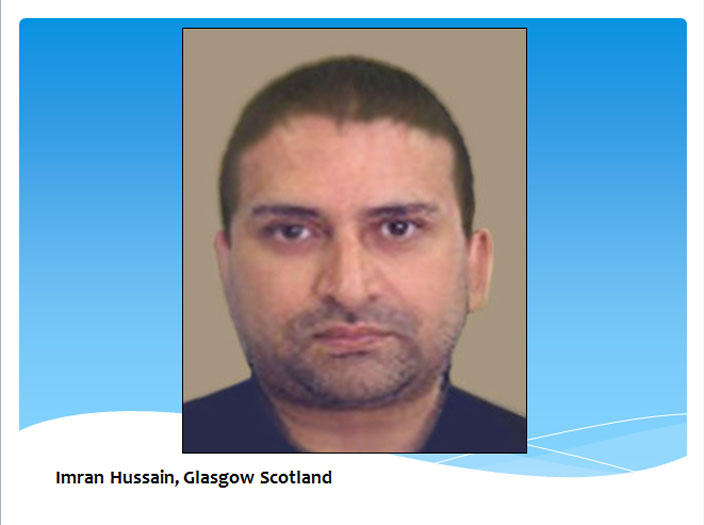
Imran Hussain VAT Fraud Case Concludes After Years of Investigation
Glasgow / Karachi — One of Scotland’s most high-profile financial crime cases, the Imran Hussain VAT fraud case, has officially concluded after years of investigation, legal delays, and international pursuit. The case involves Imran Hussain. Authorities accused him of running a large VAT fraud scheme that reportedly defrauded Scottish taxpayers. Experts consider this investigation a landmark because of its complexity and cross-border elements.
Origins of the Investigation and HMRC Involvement
The investigation into the Imran Hussain VAT fraud dates back to 2006, when HM Revenue & Customs (HMRC) identified suspicious trading activities linked to a network of companies involved in counterfeit and circular trading. Authorities alleged that these businesses claimed VAT refunds fraudulently by exploiting the UK Treasury’s VAT compensation system. The scheme reportedly involved multiple trading companies operating across Scotland and other European countries, making detection and prosecution particularly challenging.

Hussain’s Evasion and Life Abroad
Imran Hussain was identified as a central figure in the scheme. Following the emergence of these allegations, he left the United Kingdom, first relocating to Dubai before eventually settling in Karachi, Pakistan. Sources indicate that he lived there for several years, establishing a personal and professional life while avoiding immediate arrest. These moves complicated HMRC’s efforts to bring him to justice, highlighting the difficulties authorities face when dealing with cross-border financial crimes.
Failed Negotiations and Continued Pursuit
Despite the jurisdictional challenges, HMRC investigators and UK authorities continued to pursue the case diligently. In 2009, authorities reportedly attempted negotiations to facilitate Hussain’s voluntary return to Glasgow to face charges. Unfortunately, those efforts were unsuccessful at the time, delaying legal proceedings and prolonging the investigation.
Turning Point: Voluntary Surrender in 2023
The case reached a decisive turning point in 2023 when Hussain voluntarily surrendered to UK authorities. He was immediately arrested, and court proceedings began soon afterward. Given the extensive investigation already conducted, the trial progressed rapidly. The prosecution presented evidence linking Hussain and his associates to elaborate trading networks used to claim fraudulent VAT refunds from the Treasury.
Court Verdict and Sentencing
The court ultimately sentenced Imran Hussain to twelve years in prison, formally closing a case that had remained unresolved for more than a decade. Authorities confirmed that he is currently serving his sentence and is expected to be released in 2035. Legal experts have noted that this resolution demonstrates the UK’s commitment to pursuing complex financial crimes, regardless of the time it takes to resolve them.
Impact on Financial Oversight and International Cooperation
UK officials described the outcome as a significant victory in the fight against large-scale financial crime. The Imran Hussain VAT fraud case exposed critical vulnerabilities within VAT systems, emphasizing the need for stronger regulatory oversight and more robust monitoring mechanisms. It also reinforced the importance of international cooperation in tackling cross-border tax fraud, showing that coordinated efforts between countries can successfully bring sophisticated fraudsters to justice.